Detect, Explain,
and Expose AI Slop
SlopDetector is an opinionated judgment system that helps you decide: "Is this content low-value slop, and why?"
We Judge Quality, Not Origin
Existing AI detectors ask "Is it AI-generated?" — We ask:
"Is this worth reading, trusting, or sharing?"
What We're NOT
- —Academic-grade AI origin detection
- —School cheating detection
- —Plagiarism checker
- —Probability percentages with no meaning
What We ARE
- +Judgment over probability
- +Explainability over black box
- +Human language over ML jargon
- +Cultural relevance over academic correctness
The AI Slop Hall of Fame
AI slop isn't just text — it's everywhere. These are some of the most infamous examples of AI-generated slop that have flooded the internet. You've probably seen them. You definitely didn't ask for them.

Shrimp Jesus
The holy crustacean that broke Facebook. Surreal AI images of Jesus fused with shrimp, posted with captions like 'Say Amen for 7 years of luck.' Received hundreds of millions of engagements.
Source: Facebook, 2024

'My Child Made This'
AI-generated images of young children next to impossibly detailed artwork — sculptures of Jesus made from fruit, cars made of bottles — with engagement-bait captions.
Source: Facebook, 2024

Flight Attendant Content
For reasons nobody understands, AI slop farms produce endless images of flight attendants in bizarre scenarios. Sometimes posing with Shrimp Jesus. We don't make the rules.
Source: Facebook, 2024

5-Minute Craft Lies
'Life hack' videos showing impossible DIY solutions — like fixing a broken sink with ramen noodles. AI-generated or not, it's slop that wastes your time and insults your intelligence.
Source: YouTube/TikTok

AI News Anchors
Deepfake 'reporters' delivering fake news about celebrities, trials, and current events. Some AI slop channels have billions of views and make millions in ad revenue.
Source: YouTube, 2024-2025
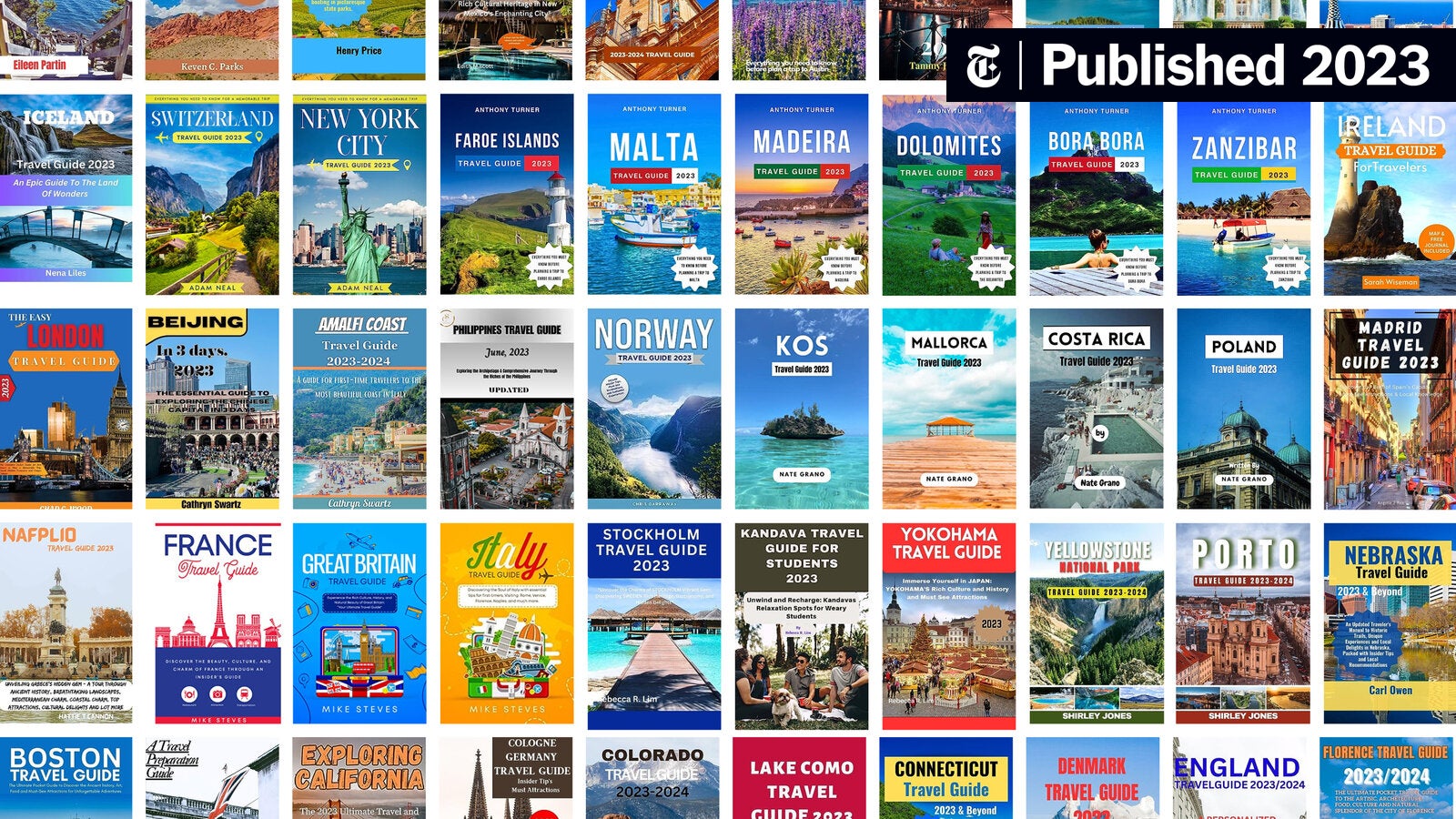
Amazon AI Books
Thousands of AI-generated books flooding Amazon, including fake travel guides with invented restaurants, AI-written mushroom foraging guides (dangerous!), and plagiarized content.
Source: Amazon, 2024
Why does AI slop exist? Because it's cheap to make and platforms reward engagement over quality. A single Shrimp Jesus post can reach 40 million people. AI slop farms in multiple countries churn out this content 24/7 for ad revenue. That's why we built SlopDetector.
The Slop Taxonomy™
We categorize slop into recognizable patterns. Each analysis outputs 1-2 categories to stay punchy.
Generic Slop
Templated, vague, no concrete details
"In today's fast-paced world..."
Pseudo-Insight Slop
Sounds deep but zero information gain
"The key is to find balance..."
Fake Authority Slop
Confident expert tone without substance
"Studies have shown..."
Wikipedia Rehash
Rephrased encyclopedia definitions
"X is defined as..."
Wellness Slop
Safe, soothing, universalized self-help
"Remember to be kind to yourself..."
How It Works
Simple workflow, rich output.
Paste
Drop your text into the analyzer
Analyze
We judge quality signals, not AI origin
Understand
Get Slop Level + Why + Highlighted Evidence
Share
Shareable link for cultural commentary
AI Slop in the News
AI slop has become a major cultural phenomenon. John Oliver's Last Week Tonight dedicated an entire segment to explaining why AI slop is flooding the internet.
AI Slop: Last Week Tonight with John Oliver (HBO) — John Oliver explains why AI-generated content is suddenly everywhere online, and the harm AI slop can do to creators and consumers.
Frequently Asked Questions About AI Slop
Everything you need to know about AI slop detection and why it matters.
What is AI slop?
AI slop refers to low-quality, templated content that feels empty and performatively insightful. It's content that lacks lived experience, concrete details, and genuine substance — regardless of whether it was created by AI or humans. The term emerged in 2024 to describe the flood of generic AI-generated content online.
How is AI slop detection different from AI detection?
Traditional AI detectors try to determine if content was generated by AI. SlopDetector takes a different approach: we judge content quality and authenticity signals, not origin. We ask 'Is this worth reading?' rather than 'Was this written by AI?' — because humans can write slop too, and AI can sometimes produce valuable content.
Why is AI slop a problem?
AI slop degrades information quality online, erodes trust in content, and wastes readers' time. It crowds out authentic creators, makes it harder to find valuable information, and floods platforms like YouTube, social media, and search results with generic, unhelpful content.
How does SlopDetector identify AI slop?
SlopDetector analyzes content for quality signals like specificity, lived experience, concrete details, and genuine insight. We categorize slop into types (Generic Slop, Pseudo-Insight Slop, Fake Authority Slop, etc.) and provide human-readable explanations with highlighted evidence — not just a probability percentage.
Can AI-generated content be good (not slop)?
Yes. AI slop is about quality patterns, not origin. AI can produce useful, substantive content when prompted well and edited thoughtfully. The issue isn't AI itself — it's low-effort, mass-produced content that prioritizes volume over value, regardless of how it was created.
What are the signs of AI slop in text?
Common AI slop signals include: vague phrases like 'In today's fast-paced world...', pseudo-profound statements with no information gain, confident claims without evidence or citations, generic advice that could apply to anything, and a complete absence of specific examples or personal experience.
Ready to Detect AI Slop?
The AI slop detector is coming soon. In the meantime, learn what AI slop is and why AI slop detection matters.